Revolutionizing Digital Marketing: How AI Automation Revolutionizes the SEO Ecosystem
The integration of AI automation within the SEO ecosystem signifies a substantial shift in digital marketing strategies. By harnessing advanced technologies, businesses can enhance effectiveness and efficiency in areas such as keyword research and content optimization. This shift not only streamlines processes but also provides greater insights into user behavior. As the landscape continues to evolve, understanding the implications of AI on these facets becomes crucial for marketers seeking to maintain a competitive edge.
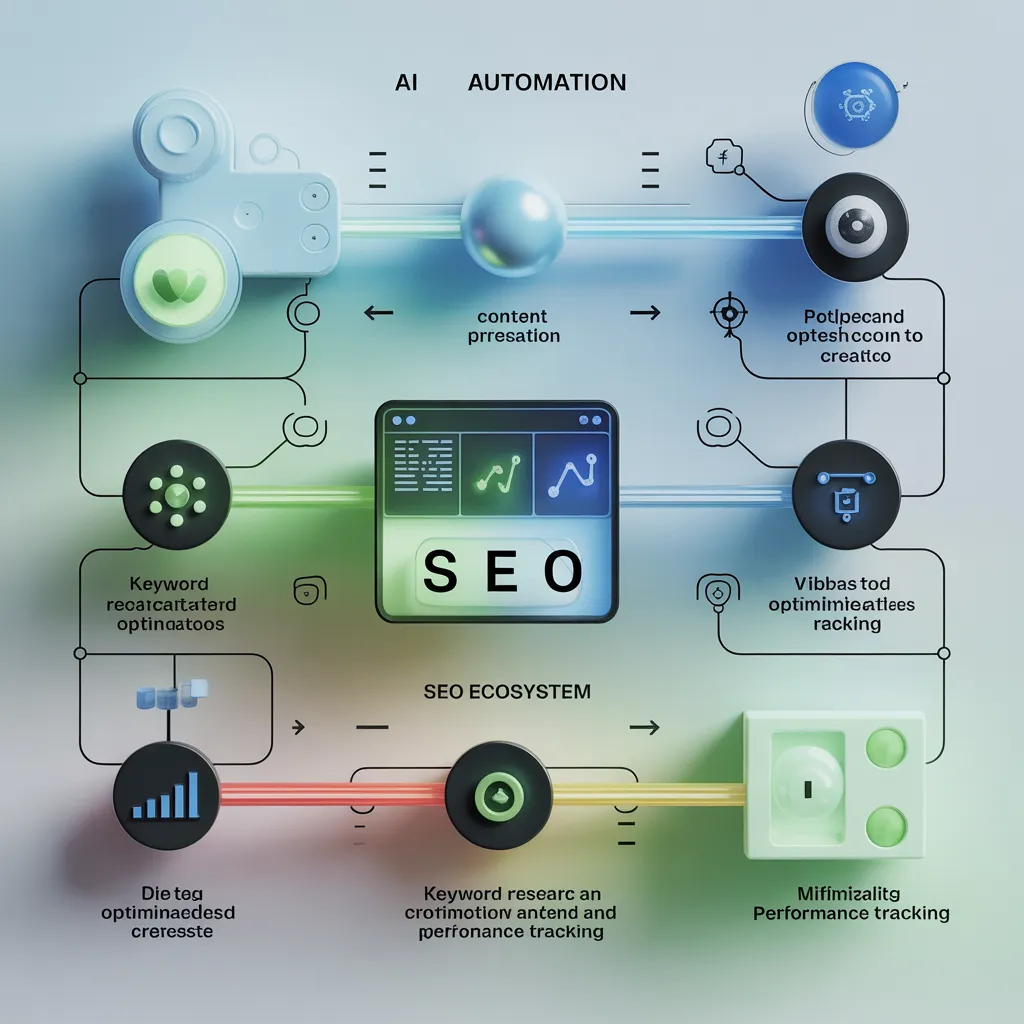
Understanding AI in SEO: The Essentials
As the digital landscape evolves, grasping AI in SEO becomes increasingly vital for marketers and businesses alike. AI technologies are revolutionizing how search engines process information and rank content, enabling more sophisticated and efficient optimization strategies. By employing machine learning algorithms, businesses can evaluate vast amounts of data to pinpoint patterns and trends that shape their SEO efforts. This allows them to develop content that connects with target audiences while complying with search engine guidelines. In addition, AI allows for real-time adjustments to SEO tactics, guaranteeing that strategies remain relevant in an constantly evolving digital environment. Through predictive analytics, businesses can predict shifts in consumer behavior and tailor their approaches appropriately. Understanding the fundamentals of AI in SEO empowers marketers to utilize these advancements, ultimately improving their visibility and competitiveness in search engine results. get details Therefore, a solid command of AI's role in SEO is essential for sustained digital marketing success.
Improving Keyword Investigation and Evaluation With AI
Artificial intelligence technologies are transforming keyword research and analysis, making the process more efficient and data-driven. By leveraging machine learning algorithms, businesses can evaluate vast datasets to uncover emerging keywords and trends that may remain hidden. These technologies enable the identification of high-potential keywords with enhanced accuracy, allowing marketers to direct their attention to terms that are more likely to drive traffic.
Moreover, AI platforms can analyze competitor keyword methods, supplying insights into which keywords are performing well in the industry. This competitive intelligence helps businesses optimize their own keyword targeting. Natural language processing capabilities allow for greater understanding of user intent, allowing more accurate keyword proposals.
The Impact of AI on SEO: Content Creation and Optimization Strategies
The incorporation of AI technology into content development and enhancement is revolutionizing how marketing professionals tackle SEO strategies. AI tools analyze massive volumes of data to comprehend popular subjects, user intent, and semantic relevance, enabling marketers to produce high-quality content that resonates with target audiences. By suggesting relevant keywords and phrases, AI improves the optimization process, making certain that content matches search engine algorithms.
Moreover, algorithmic systems can forecast content performance drawing from historical data, supporting strategic decision-making. AI-based platforms also enable real-time content modifications, empowering marketers to adapt rapidly to fluctuations in audience behavior or search trends. This versatility not only boosts content visibility but also enhances user engagement. Eventually, the use of AI in content creation and optimization simplifies workflows, reduces manual effort, and equips marketers to produce persuasive, SEO-friendly content more seamlessly, significantly impacting their overall digital marketing effectiveness.
How Does AI Change the Game for User Experience?
Artificial intelligence considerably transforms user experience by enabling personalized content delivery adapted to individual preferences. Moreover, it improves the understanding of search intent, providing more relevant and timely results. This shift not only enhances user satisfaction but also cultivates greater engagement with digital platforms.
Customized Content Distribution
As consumer expectations continue to develop, tailored content presentation stands out as a critical factor in boosting user experience. AI technologies empower marketers to evaluate vast amounts of data, giving them the ability to personalize content to individual tastes and actions. By employing machine learning algorithms, businesses can recognize patterns in user interactions, ensuring that the right content reaches the right audience at the right time. This focused strategy not only enhances engagement but also encourages customer loyalty, as users feel valued and understood. Furthermore, AI-driven recommendations optimize navigation, leading users through individualized routes that correspond to their interests. Eventually, personalized content delivery changes the way users interact with brands, establishing more meaningful connections and propelling conversion rates higher.
Enhanced Search Intent Understanding
Grasping search intent has become progressively sophisticated, significantly affecting user experience in the digital landscape. Artificial intelligence serves a vital role in this evolution, empowering algorithms to examine user behavior and intent with increased accurately. By employing machine learning and natural language processing, AI can analyze queries to detect nuances in user motivations, whether they seek information, products, or services. This strengthened understanding enables search engines to deliver exceptionally relevant results, thereby boosting user satisfaction. Furthermore, AI-driven tools can adapt to shifting trends and user preferences, ensuring that content aligns with evolving search intent. As a result, businesses can refine their strategies, providing a more personalized and engaging user experience that promotes loyalty and elevates conversion rates.
Employing AI to Construct Powerful Link Building Tactics
While traditional link building often is based on manual outreach and lengthy research, harnessing AI can significantly boost the effectiveness and effectiveness of these strategies. AI technologies can process vast datasets to identify potential link prospects, determining the relevance and authority of target domains. By using natural language processing, AI can also create customized outreach messages that resonate with specific audiences, enhancing the probability of positive responses.
In addition, AI can support in identifying which backlinks are most likely to yield significant traffic and engagement, permitting marketers to prioritize their efforts. Automated tools can streamline the outreach process, tracking communication and follow-ups to guarantee consistent engagement. Furthermore, AI can provide insights into competitors' link-building strategies, uncovering gaps and opportunities for improvement. Overall, integrating AI into link building not only saves time but also produces more strategic, data-driven decisions that boost overall SEO performance.
Evaluating Performance Through AI Analytics
How might AI analytics revolutionize the way marketers assess success in their SEO efforts? AI analytics offers sophisticated tools that enable marketers to monitor and interpret vast amounts of data with unmatched accuracy. By employing machine learning algorithms, these tools can evaluate visitor behavior, keyword performance, and engagement metrics to uncover insights and insights that standard analytics could overlook.
This data-driven approach empowers marketers to set more precise KPIs and goals, enabling a better understanding of what strategies are effective. Moreover, AI analytics can automate reporting processes, providing real-time updates that permit for rapid adjustments to campaigns.
Leveraging predictive abilities, marketers can anticipate future trends based on historical data, boosting decision-making. Eventually, AI analytics not only simplifies the measurement of SEO success but also allows marketers to enhance their strategies consistently, securing sustained growth and improved ROI in an ever-evolving digital landscape.
Upcoming Innovations: AI's Evolution in Online Marketing and Search Optimization
Significant transformation awaits the future of AI in digital marketing and SEO, driven by improved algorithm predictions and the increasing importance of voice search optimization. As businesses increasingly integrate predictive analytics, they will acquire more profound insights into consumer behavior and trends. This evolution is set to reshape strategies and improve the effectiveness of marketing efforts.
Refined Algorithm Forecasts
While developments in artificial intelligence increasingly reshape the digital marketing landscape, enhanced algorithm predictions are emerging as a essential trend in SEO. These complex systems leverage machine learning to examine extensive datasets, allowing for more accurate forecasting of search engine behavior and ranking factors. By recognizing patterns and trends, AI-driven tools can deliver insights that help marketers optimize their strategies efficiently. This evolution allows businesses to adapt their content and SEO techniques in real-time, aligning closely with user intent and search engine updates. Enhanced algorithm predictions not only improve keyword targeting but also facilitate a proactive approach to SEO, making certain that brands remain competitive in an constantly evolving digital environment. Ultimately, this trend represents a new era of data-driven decision-making in digital marketing.
Optimizing for Voice Search
What propels the rising relevance of voice search optimization in today's digital marketing landscape? The emergence of smart speakers and voice-activated devices has transformed consumer behavior, motivating users to seek information through spoken queries. This shift necessitates a reevaluation of SEO strategies, as conventional keyword-focused approaches fall short in addressing conversational search patterns. Marketers must give precedence to natural language and long-tail keywords to match how people verbally communicate their questions. Additionally, optimizing for local searches becomes vital, as many voice queries include location-based requests. As AI technologies evolve, incorporating voice search capabilities into digital marketing strategies will be imperative for remaining competitive. Accepting these changes allows businesses to boost user experience and enhance visibility in an increasingly voice-driven market.
Advanced Predictive Analytics Integration
Though many marketers remain in the process of adapting to AI-driven tools, the integration of predictive analytics is ready to reshape digital marketing and SEO strategies. By utilizing historical data and user behavior patterns, predictive analytics empowers marketers to predict future trends and consumer preferences. This proactive approach permits businesses to customize their content and optimize their SEO efforts more effectively. Furthermore, predictive analytics can strengthen keyword targeting and audience segmentation, guaranteeing that marketing campaigns are both relevant and timely. As competition intensifies, organizations that implement these advanced analytics tools will achieve a significant edge, driving higher engagement and conversion rates. Ultimately, the seamless incorporation of predictive analytics into digital marketing strategies marks a critical evolution in the SEO landscape.
FAQ
What Are the Ways Small Businesses Can Leverage AI for Their SEO Strategies?
Small enterprises can take advantage of AI in their SEO strategies by employing tools for keyword examination, improving content creation, improving user experience through personalized recommendations, and automating performance tracking to increase visibility and engagement in search results.
What Costs Come With Implementing AI in SEO?
The costs associated with implementing AI in SEO typically include platform subscriptions, one-time setup charges, employee education investments, and sustained support and maintenance. Investment levels can vary substantially relative to the sophistication of the AI solutions employed.
Are There Risks of Over-Relying on AI for SEO?
Indeed, over-dependence on AI for SEO carries certain risks. Too much dependency might cause insufficient human perspective, possible disconnect from user needs, and susceptibility to algorithmic updates, eventually impacting site effectiveness and user interaction.
How Does AI Influence Local SEO Rankings?
AI affects local SEO rankings by analyzing data to optimize content for local searches, boosting keyword targeting, and upgrading user experience. It enables businesses to achieve greater understanding of customer preferences, consequently improving visibility in local search results.
Are You Able to Machine Learning Tools Be Integrated Into Existing SEO Software?
AI tools can be seamlessly integrated with existing SEO software, enhancing functionalities and data analysis. Such integration enables enhanced keyword research, content optimization, and performance tracking, culminating in better-performing digital marketing strategies.